Composite Reinforcement Fabrics: Glass Fibre, Carbon Fibre and Aramid Fabrics

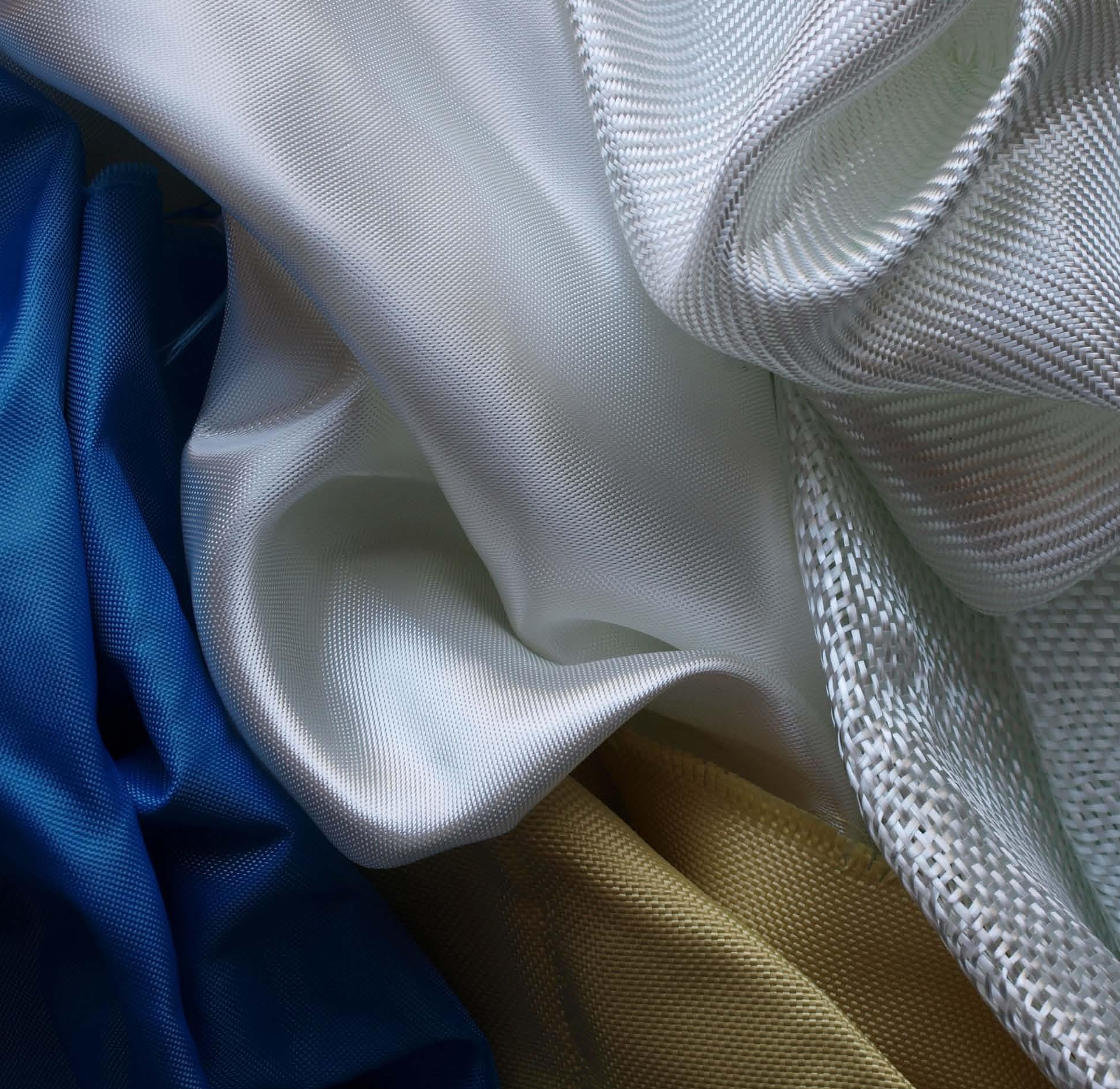
The performance of a composite part starts with the fibre type, weave, weight and finish of the dry fabric used. For aerospace, defence, space, automotive and marine applications we bring the glass fibre, carbon fibre and aramid fabrics of Italian technical fabric manufacturer Gividi Fabrics to Türkiye, and we select the right fabric together with you based on the mechanical requirements of your part, your resin system and your production process.

Fabrics by fibre type

Glass fibre fabric (E-glass)

Economical and versatile reinforcement for general composite parts, electronic laminates and industrial applications.

  • Wide range of weights and weaves
  • Compatible with epoxy, polyester, vinyl ester and phenolic resins
  • Electrical insulation applications

S2-glass high-strength glass fabric

Higher tensile strength and impact resistance than E-glass; for defence and aerospace parts.

  • High impact resistance
  • Ballistic composite panels
  • Structural aerospace parts

Carbon fibre fabric

For structural parts requiring high stiffness and low weight.

  • High strength-to-weight ratio
  • Automotive and motorsport parts
  • Space and aerospace structures

Aramid fabric

Impact and cut resistance with low density; for ballistic protection and lightweight structures.

  • Ballistic protection
  • Scoured and water repellent (WRT) options
  • Hybrid constructions

Industries and applications

Aerospace and space

Interior panels, structural and semi-structural composite parts; applications requiring consistent quality and traceability. Gividi Fabrics is certified to the aerospace quality management standard EN 9100:2018.

  • Interior and cabin panels
  • Structural laminates
  • Lightweight composites for satellite and space structures

Defence

Ballistic protection and platform applications requiring low weight and high impact resistance.

  • Ballistic panels and armour composites
  • S2-glass and aramid fabrics
  • Water repellent (WRT) finish

Automotive and motorsport

Carbon and glass fibre reinforced composite parts for vehicle lightweighting.

  • Body and interior trim parts
  • Structural lightweight parts
  • Fabrics suited to series production processes

Marine and industry

Boat hulls, wind and industrial composite parts; electronic laminates.

  • Boats and marine structures
  • Industrial composite parts
  • Electrical and electronic laminates

Technical information

  • Processes: dry fabrics for vacuum infusion, RTM, wet lay-up, compression moulding and prepreg production.
  • Weight and thickness: from 20 g/m² to over 1000 g/m²; thicknesses from 0.02 mm to over 1 mm.
  • Weaves: plain, twill and satin weaves; construction and yarn count selected according to the application.
  • Finishes: A1100 for epoxy and phenolic resins; 112 finish for silicone-based systems (organic residue max. 0.10% after heat cleaning); scoured surfaces for aramid and polypropylene; water repellent (WRT) treatment.
  • Manufacturer: producing in Italy since 1962; installed capacity of more than 30 million m² per year; ISO 9001:2015 and EN 9100:2018 certified.
  • Choosing the right fabric: we select the fabric with you according to the part’s mechanical requirements, resin system, process and mould geometry, and provide technical catalogue information and samples.
Fibreglass mesh for ceramic tiles and slabs
Gividi Fabrics

Fibreglass mesh for ceramic tiles and slabs

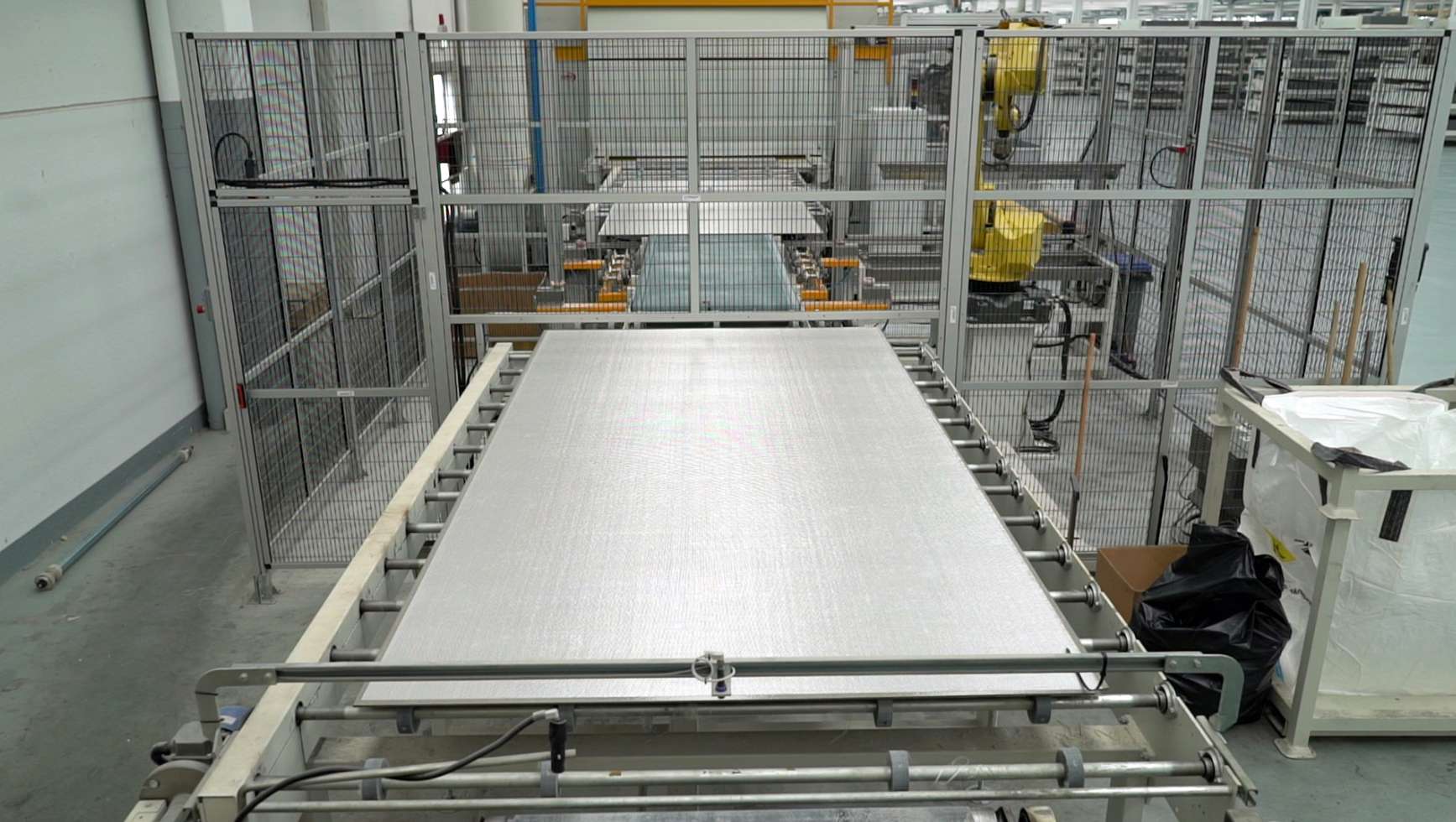
Fibreglass mesh reinforcing the back of large-format and thin ceramic slabs, supporting breakage resistance and safe installation. Together with Studio 1 meshing lines we offer a complete solution.

  • Large-format slabs
  • Thin porcelain slabs
  • Integrated solution with meshing lines

Gividi Fabrics Studio 1

Reference installations

Some of the solutions supplied and commissioned through Ark Trade:

  • Technical fabrics for composites: leading companies in the defence and aerospace sector
  • Fibreglass tile-backing mesh: NG Kütahya Seramik, Anatolia Seramik

Contact us for technical catalogues and samples →

Frequently asked questions

What is a dry fabric?

A woven glass fibre, carbon fibre or aramid fabric that is not pre-impregnated with resin. In processes such as vacuum infusion, RTM and wet lay-up the resin is added during part production; prepreg manufacturers also use dry fabric as a raw material.

What is the difference between E-glass and S2-glass?

S2-glass has higher tensile strength and impact resistance than E-glass and is preferred in high-performance applications such as defence and aerospace. E-glass is more economical and versatile.

Should I choose carbon fibre or glass fibre?

Carbon fibre is preferred when high stiffness and low weight are the priority; glass fibre fabric when cost, impact resistance and electrical insulation matter more. Hybrid constructions are also possible.

Why does the fabric finish matter?

The finish determines the chemical bond between fibre and resin. For example, A1100 suits epoxy and phenolic resins and 112 finish suits silicone systems; the wrong choice lowers the mechanical performance of the laminate.

Are there certifications for aerospace applications?

Gividi Fabrics holds EN 9100:2018 (aerospace quality management) and ISO 9001:2015 certifications.

Let’s select the right fabric for your project

Share your application, process and target values; we will get back to you with technical catalogue information and samples.

Request technical information Gividi Fabrics