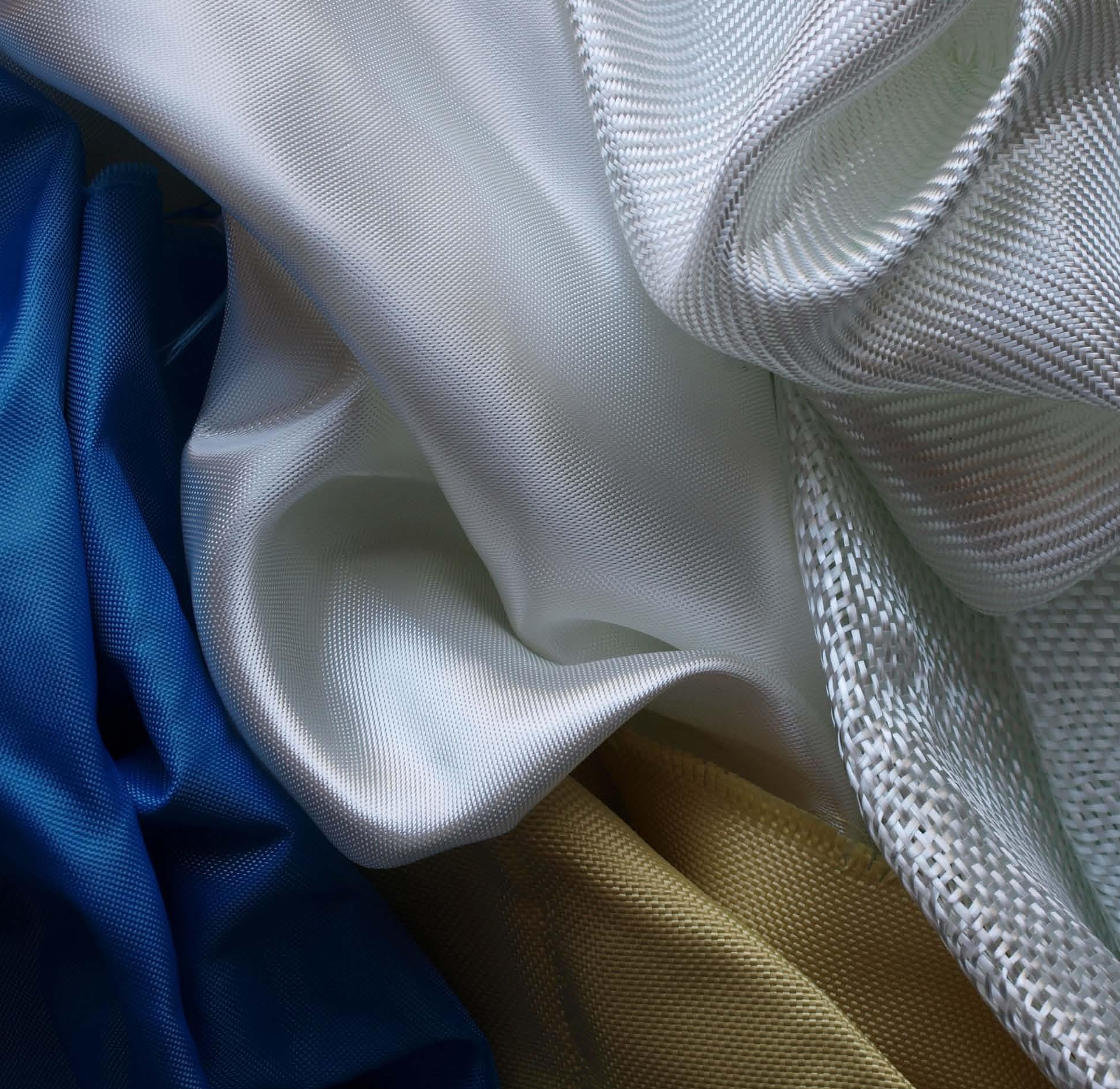
Carbon Fibre Fabric: Plain, Twill and Satin Woven Carbon Fabrics

Carbon fibre fabric is the core reinforcement for composite parts that need high stiffness and strength at low weight. The right fabric is defined by fibre modulus, yarn (filament) structure, weave, areal weight and the surface finish that ensures resin compatibility. We supply the woven carbon fabrics of Italian technical fabric manufacturer Gividi Fabrics in Türkiye and select the right fabric for your part and process together with you.

Types of carbon fibre fabric

Plain weave carbon fabric

The most balanced and stable weave; the structure is not easily distorted during cutting and lay-up.

  • Flat and slightly curved parts
  • High dimensional stability
  • Thin, lightweight laminates

Twill weave carbon fabric

Weaves such as 2×2 twill offer better drapeability and the familiar carbon look.

  • Curved and complex geometries
  • Visible surface parts
  • Automotive and motorsport

Satin and UD weaves

Lower crimp for higher mechanical efficiency; directional reinforcement.

  • Structural aerospace parts
  • Reinforcement in the load direction
  • Sharp profile changes

Standard, IM and HM carbon

Intermediate (IM) and high modulus (HM) carbon fabrics alongside standard modulus carbon.

  • General composite applications
  • Structures requiring high stiffness
  • End-use declaration for IM/HM
Carbon fibre fabric Gividi Fabrics
Gividi Fabrics

How to select the right carbon fabric

The same areal weight can be achieved with different yarn counts and constructions; this choice directly affects lay-up, crimp and the mechanical performance of the laminate. The selection is driven by the load case, mould geometry, resin system and process together.

  • Areal weight and yarn structure
  • Weave: plain, twill, satin, UD
  • Surface finish matched to the resin

Gividi Fabrics All reinforcement fabrics

Manufacturer: Gividi Fabrics

  • Made in Italy since 1962: Brugherio (Milan) facilities with an installed capacity of more than 30 million m² per year.
  • Certifications: ISO 9001:2015 and the aerospace quality management standard EN 9100:2018.
  • Own technology: in-house developed weaving and finishing equipment; single-step heat cleaning that preserves fabric orthogonality; patents in weaving technology.
  • Range: 20 g/m² to over 1000 g/m², 0.02 mm to over 1 mm thickness; plain, twill, satin, basket and UD weaves.

How we work

  • Defining the need: we clarify the part, process (hand lay-up, vacuum infusion, RTM, press moulding), resin system and target mechanical values together.
  • Product matching: if you have the technical data sheet or specification of the fabric you use today, we identify its equivalent in the Gividi range with the technical team.
  • Samples and trials: we manage technical catalogue information, samples and trials, then follow up orders, lead times and shipments.

Frequently asked questions

Where is carbon fibre fabric used?

In composite parts that need high stiffness and strength at low weight: aerospace structures, UAV fuselages and wings, defence platforms, automotive and motorsport parts, marine and sports equipment.

Should I choose twill or plain carbon fabric?

Plain weave is more stable and lays up easily on flat parts. Twill weave drapes better over moulds and is preferred for curved parts and visible surfaces. The choice depends on part geometry and surface requirements.

Can you supply 200 g/m² or 245 g/m² 3K twill carbon fabric?

If you share the areal weight, yarn and weave of the fabric you use, or its data sheet, we identify the equivalent in the Gividi range and get back to you with technical data and samples.

What drives the price of carbon fibre fabric?

Price depends on fibre type (standard, IM, HM), yarn structure, areal weight, weave, fabric width, finish and order quantity. We prepare a quotation based on this information.

Do IM and HM carbon fabrics require additional documents?

Yes. Intermediate and high modulus carbon fibres are dual-use items, so fibre producers require an end-use declaration; customers are asked to complete an end-use form for these fabrics. This is not required for standard modulus carbon fabrics.

Let’s define your carbon fabric requirements

Share your application, process and the details of the fabric you use; we will get back to you with technical catalogue information, samples and a quotation.

Request a quote and samples Gividi Fabrics